
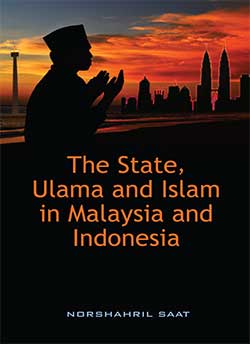
The State, Ulama and Islam in Malaysia and Indonesia, by Norshahril Saat
Article Sidebar
Main Article Content
Abstract
Throughout the Islamic history, Muslim community (ummah) in general perceives the authority of ulama (religious scholars) in the context of the ulama's distance from the seat of power. In other words, an ulama's authority is highly regarded if the ummah deems him capable of exercising independent judgement free from the self-serving sway of the rulers. Nevertheless, beginning in the late 1800s, the expansion of modern bureaucracy provides the ulama with a new coercive and deep-reaching tool to exert their authority over the ummah, in return for bestowing religious imprimatur on the policies of the ruling regime of the day. Official ulama, as these religious functionaries are known, are conventionally seen as "rubber stamps" and "lackeys" of the ruling elites, who surrender their theological independent judgement in exchange for material rewards and status (p. 24).
Article Details

This work is licensed under a Creative Commons Attribution 4.0 International License.